
Inside the Mott Million Dollar Challenge: 6 Things We Learned Mentoring Young Innovators
Nick |
June 18, 2026
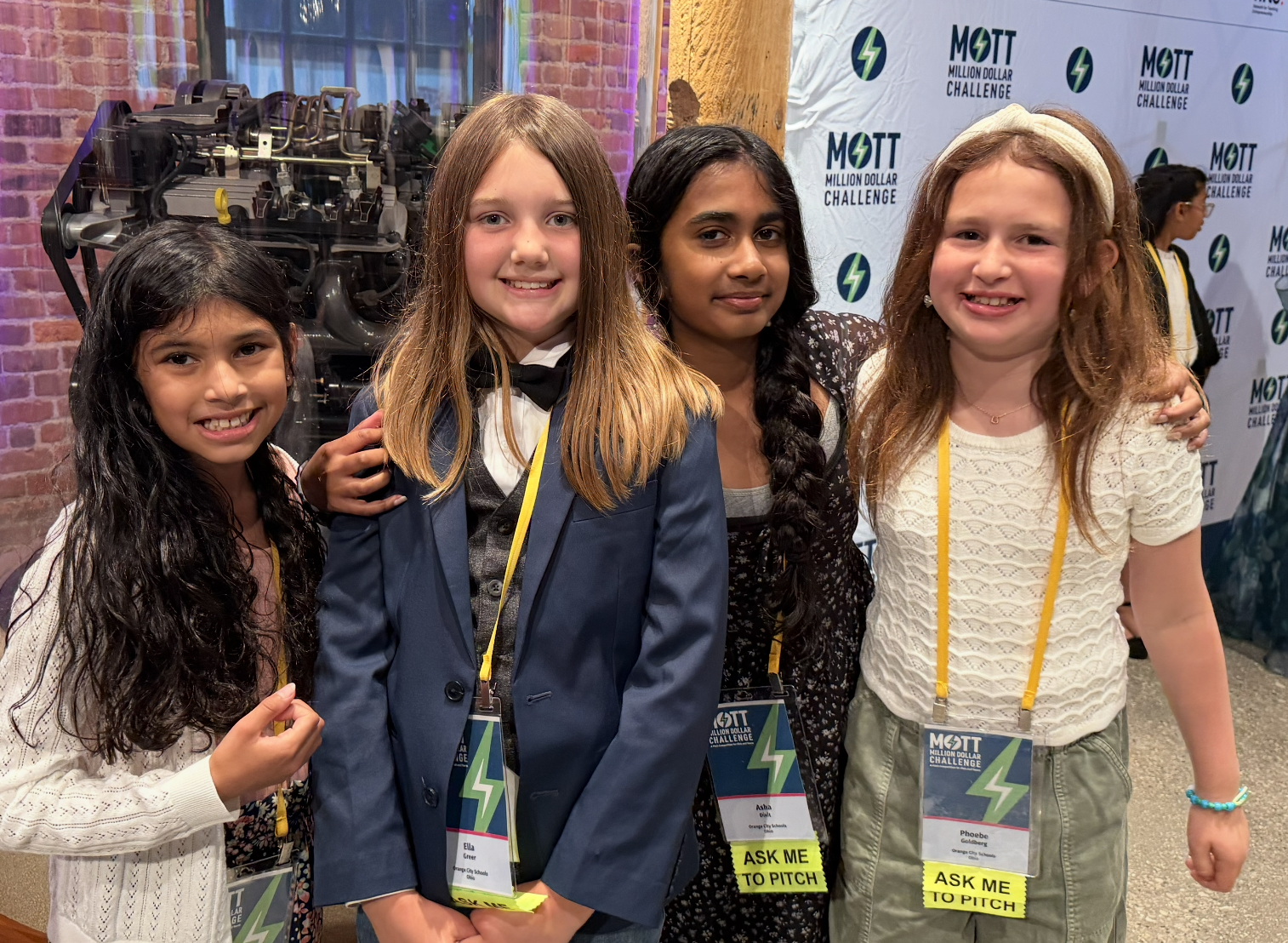
This year, more than 5,300 young people submitted over 3,700 ideas. From that pool, 1,500 were named Round 1 winners, and 60 moved on to the final pitch event, where rooms full of K-12 entrepreneurs got ready to pitch ideas they built from scratch.
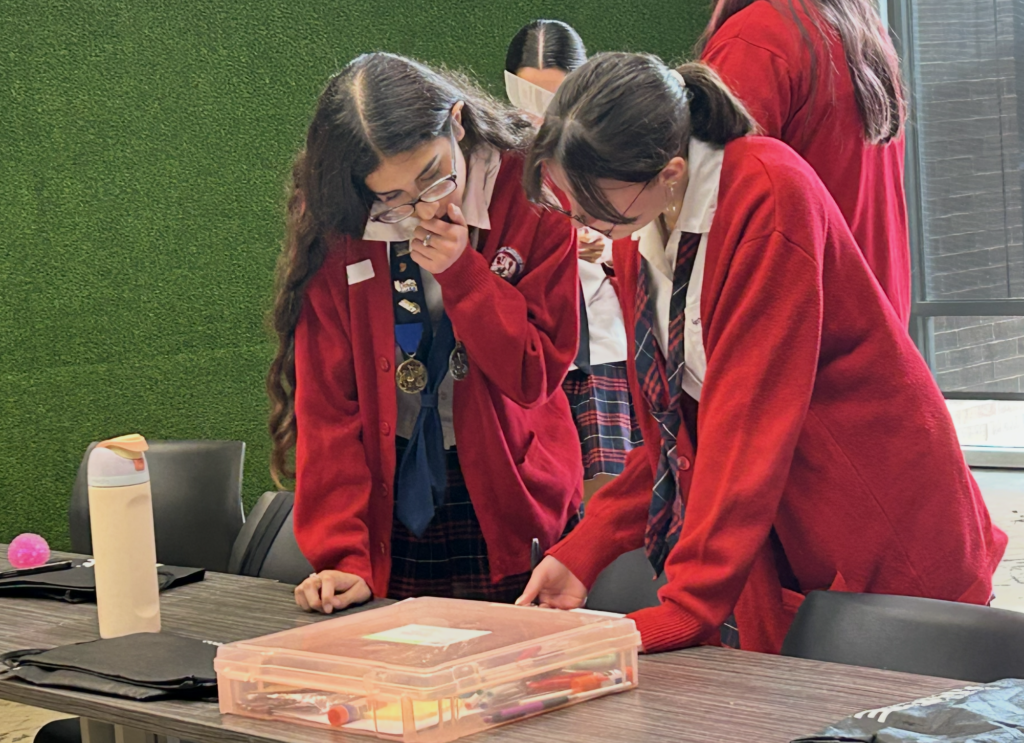
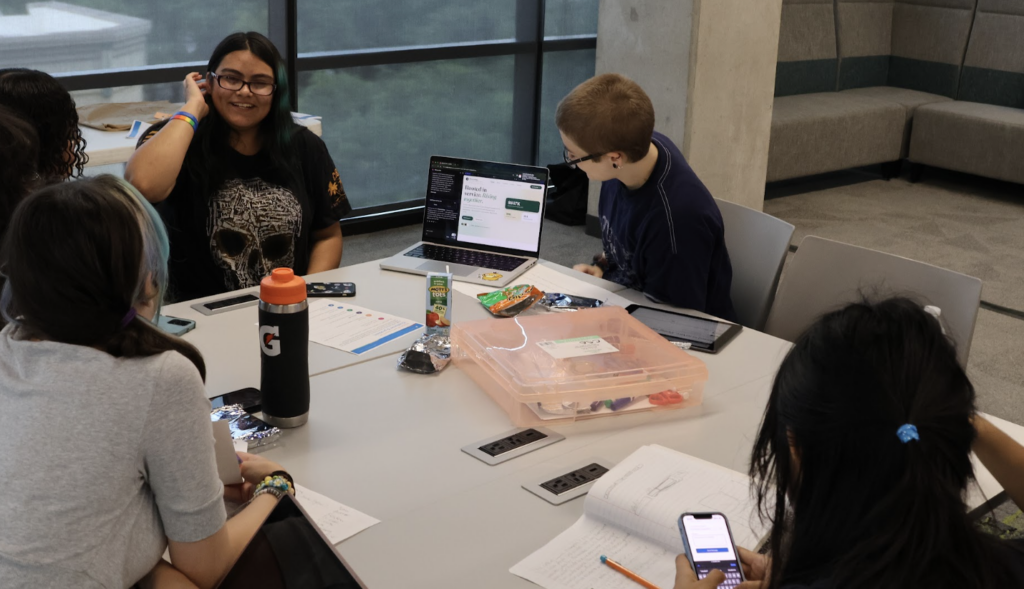
VentureLab was there for all of it. Our team served as room captains (we brought the hats to match!) and mentors for the K-4 division, helping students through final preparations and standing beside them as they pitched to a panel of judges.
We want to share what we saw, because it says a lot about what young kids can do when you give them a real problem and the tools to solve it.
What is the Mott Million Dollar Challenge
In case you missed our first post. The Mott Million Dollar Challenge is a national youth entrepreneurship competition. Students submit business ideas that solve real problems in their schools, homes, or communities. This year, more than 5,300 young people submitted over 3,700 ideas. From that pool, 1,500 were named Round 1 winners, and 60 moved on to the final pitch event.
The competition covers several grade bands, including the K-4 division VentureLab supported directly. At the final event, teams pitch live in front of judges, with awards and funding on the line.
This matters for educators and youth program leaders right now
It’s easy to underestimate what young kids can do with an idea, but the K-4 teams at Mott Million proved otherwise.
These students researched real problems. They built and tested prototypes. They practiced explaining their thinking out loud, to adults, under pressure, on a stage. That’s not a watered-down version of entrepreneurship education. That’s entrepreneurship education doing exactly what it’s supposed to do.
If you’re looking for proof that entrepreneurial mindset development belongs in early elementary classrooms, this event is it. Confidence, problem-solving, and communication skills don’t wait until middle school to show up. They start the moment a student is asked what problem they want to solve and what they’d build to solve it.
How entrepreneurship education connects to what we saw on stage
Every pitch we mentored followed the same basic arc we teach through VentureLab’s programming. Identify a real problem. Imagine a solution. Build something you can actually hold. Communicate it clearly to someone else.
Watching K-4 students work through that process live was a good reminder of why this work matters. A student doesn’t need a polished business plan to practice spotting an opportunity. They need a problem they actually care about, and adults willing to take their thinking seriously.
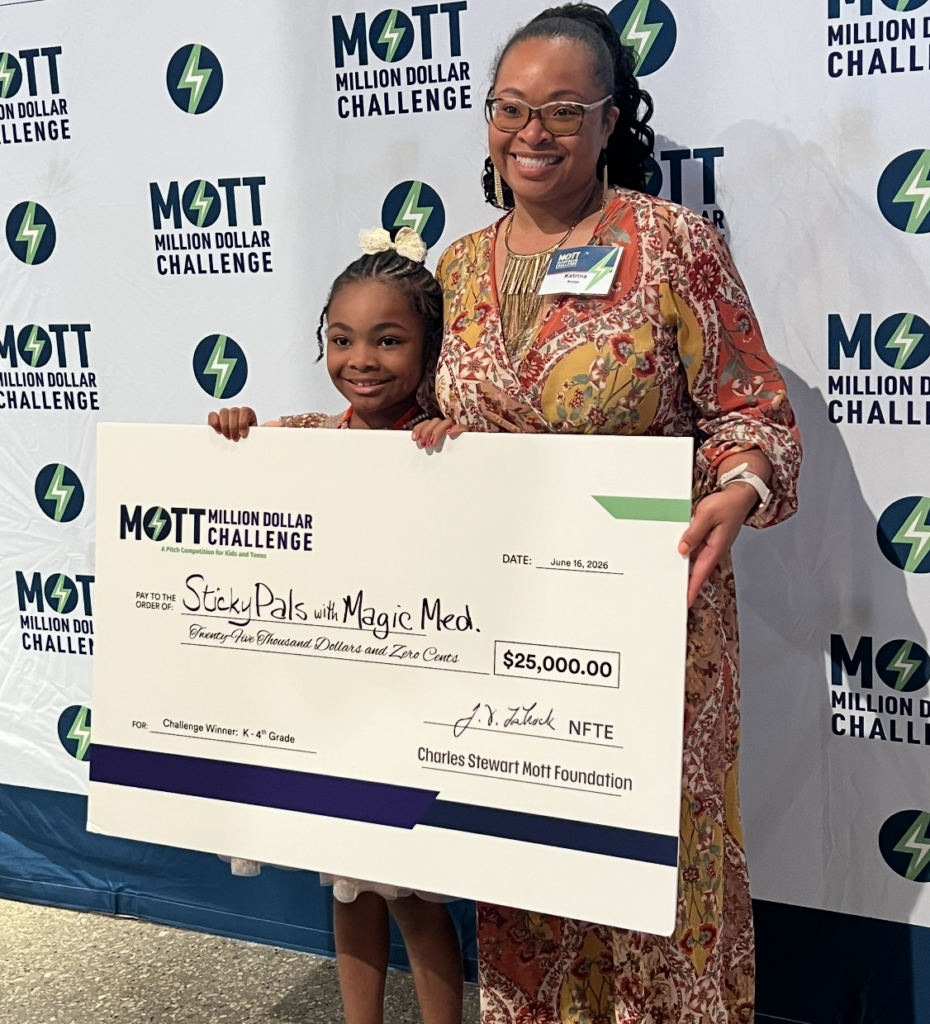
Two ideas stood out as competition winners, and both show that process in action.
Huge congratulations to our two K-4 winners. We could not be prouder of what these teams pulled off on that stage.
KindLeaf took home the win in the Social Challenge category. Their idea is a plantable thank-you card. You send the card, the recipient enjoys it like any other card, and once the moment has passed, they plant it instead of throwing it away. The team took something as ordinary as a thank-you note and rebuilt it around sustainability, and the judges noticed.
Sticky Pals won the Business Challenge category. Their idea is a sticker designed to numb the injection site before a vaccine shot, so kids feel less afraid of getting their shots. It came from real empathy. The team noticed a problem actual kids deal with and built something that makes it a little easier.
Two different categories, two different problems, and two teams who fully earned the win. Congratulations to both.
Practical takeaways for classrooms and programs
You don’t need a national competition to bring this kind of learning into your own classroom or program. A few things we noticed at Mott Million translate directly to everyday settings.
Start with a problem, not a product. The strongest pitches came from kids who could explain what was wrong before they explained what they built. Ask students what bothers them before you ask what they want to make.
Have them practice the pitch out loud, more than once. Confidence on stage came from repetition, not raw talent. Students who rehearsed their explanation to peers, to mentors, to anyone who’d listen, were noticeably calmer under pressure.
Let students own the language. The teams who could handle judges’ follow-up questions were the ones who’d actually built their own understanding of the problem, not memorized a script someone wrote for them.
Celebrate the process, not just the outcome. Every team that made the final 60 had already done something remarkable. The mentors and educators who pointed that out, win or lose, kept their students engaged and proud of their work.
Common misconceptions about young kids and entrepreneurship
People often assume entrepreneurship education is too abstract for early elementary students. The K-4 division at Mott Million says otherwise. Young students don’t need to understand profit margins or business models to practice the core skills: noticing a problem, testing an idea, and explaining their thinking to someone else.
Another misconception is that pitch competitions are really about the pitch itself. As room captains, we saw firsthand that the pitch is just the visible moment. The real value happens earlier, in the weeks of building, testing, and revising an idea before anyone steps on a stage.
Why this matters now
Kids today are growing up in a world that rewards people who can spot problems and build solutions, not just memorize information. Early exposure to entrepreneurial thinking gives them practice with that skill long before it shows up on a resume or in a conversation about workforce readiness.
Competitions like Mott Million give students a real audience and real stakes. You can’t replicate that on a worksheet, and it’s a big part of why VentureLab keeps showing up to mentor at events like this one.
How VentureLab fits in
VentureLab’s mission is to make entrepreneurship education accessible to every young person, and that means showing up where students are actually putting that mindset into practice. Serving as room captains and mentors at Mott Million let our team work directly with K-4 students as they moved from idea to action.
If you’re an educator or program leader who wants to build this kind of experience into a classroom or out-of-school program, VentureLab Ignite offers challenge-based learning that walks students through the same process: identify a problem, build a solution, and practice communicating it with confidence.
If your school or organization is thinking about how to bring real-world problem solving into your students’ year, this is a good place to start.
Till Next Time
The Mott Million Dollar Challenge shows what happens when you trust young people with real problems and give them support to act on them. Watching K-4 students walk on stage and explain ideas like KindLeaf and Sticky Pals was a reminder that the entrepreneurial mindset isn’t something kids grow into later. They can practice it now, with the right mentorship and the right structure around them.
We’re proud of every team we worked with, and we’re already looking forward to next year.
FAQs:
What is the Mott Million Dollar Challenge?
The Mott Million Dollar Challenge is a national pitch competition for K–12 students in all 50 states, funded by the Charles Stewart Mott Foundation and administered by NFTE in collaboration with VentureLab and other partners. Students submit a short video pitching a business idea or community solution for a chance to win a share of $1 million in prizes.
What age group did VentureLab mentor at the event?
VentureLab served as room captains and mentors for the K-4 division.
What were the K-4 winning ideas?
KindLeaf, a plantable thank-you card company, and Sticky Pals, a sticker designed to numb injection sites before vaccines, were both standout winners.
Why does entrepreneurship education matter for young kids?
It builds problem-solving, confidence, and communication skills early, through hands-on practice identifying real problems and testing solutions.